Understanding the IVF Treatment Timeline: Step-by-Step Process Explained
Building your family is deeply personal, and understanding the in vitro fertilization (IVF) treatment timeline can make the journey feel a little more grounded and less overwhelming. At Fertility and Surgical Associates of California (FSAC), your care truly begins the moment you walk through our doors. Every question matters, every emotion is valid, and each step is thoughtfully tailored to your needs.
If you’re exploring this fertility treatment, the IVF step-by-step process is explained below so you can move forward feeling informed and supported.
Initial IVF Evaluation and Planning Phase
This first phase of your IVF timeline focuses on getting to know how your body functions, reviewing your fertility history, and creating a plan built around your specific goals.
During this time, you’ll complete essential testing, go over your results, and talk through options in collaboration with your board-certified reproductive endocrinologist (REI) and care team. The more you’re able to share about your story and your priorities, the more your plan can reflect what you truly need.
Open, honest communication lays the foundation for success. This step often spans several weeks, giving your REI enough time to design a plan based on accurate information. Throughout this period, you stay connected with your care team as you get ready to participate actively in each stage of treatment.
Ovarian Stimulation and Egg Retrieval
This part of IVF treatment begins early in your menstrual cycle and includes 10-14 days of medication designed to encourage multiple ovarian follicles to mature at the same time. Your care team follows your progress closely through bloodwork and ultrasounds, keeping you updated as you go.
Specific timelines will vary, many people appreciate having a sense of the typical time frame. For most, the stimulation phase lasts around 10–14 days, but every body responds in its own way, and that’s okay. Your team is there to adjust and support you through those individual differences.
When the timing is just right, your care team schedules egg retrieval. This gentle outpatient procedure is performed with a focus on your comfort. The procedure is performed under light anesthesia and you’ll be able to return home the same day after a short recovery period.
Possible sensations after egg retrieval:
- Mild cramping or bloating
- Brief tiredness
- Occasional queasiness
These sensations are common and typically resolve quickly with rest and supportive care. You’re always encouraged to reach out with questions or concerns—no worry is too small to bring up.
IVF Fertilization, Embryo Development, and Transfer
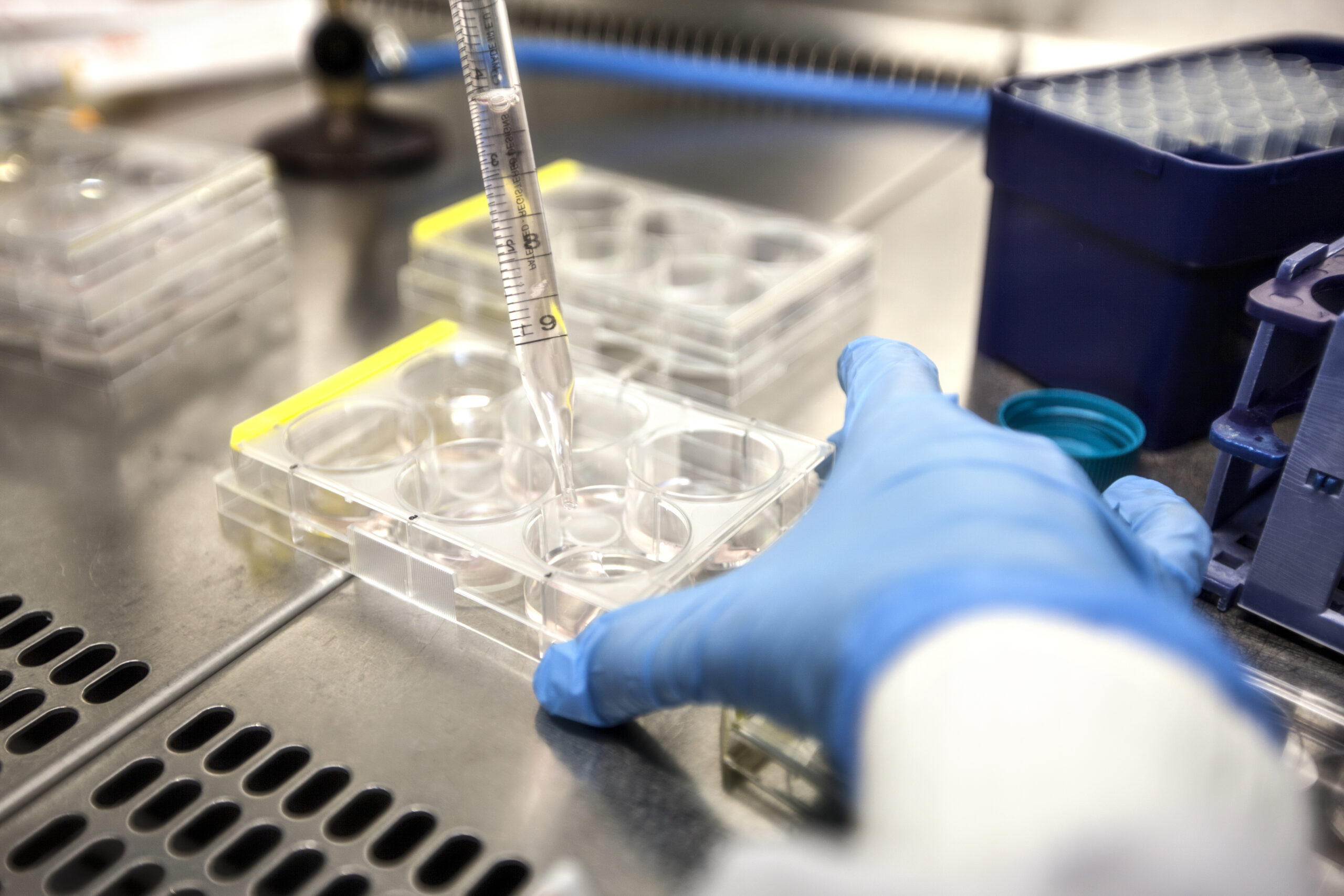
Once your eggs arrive in the IVF lab, the focus shifts to careful fertilization. Our embryologists work in a state-of-the-art environment, using advanced technology to combine your eggs with specially prepared sperm and closely observe the resulting embryos. Some families choose genetic testing at this stage to screen for inherited conditions or chromosomal patterns.
After a few days, the team identifies which embryos are most viable. The next milestone is embryo transfer, or frozen embryo transfer (FET), depending on your timeline. This procedure is guided by precision, experience, and a consistent commitment to your comfort and emotional wellbeing. Any remaining embryos can be cryopreserved for possible future family-building.
Following your transfer, you’ll continue to receive support through every stage, including post-transfer monitoring, pregnancy testing, and early ultrasounds. You’re never expected to navigate these steps alone.
FAQs
How long can frozen embryos be stored?
According to the American Society for Reproductive Medicine (ASRM), live births have been recorded from embryos frozen up to 30 years prior.* Talk to your REI about your FET timeline and how long-term storage may fit into your plans.
What factors influence the medication plan for IVF?
Your stimulation plan is guided by hormone levels, ovarian reserve findings, and how your body responds during monitoring appointments. Your REI adjusts dosages after reviewing your results to support both safety and effectiveness.
Can genetic testing be part of the IVF process?
Genetic testing can be performed once embryos reach the appropriate stage. These tests can provide information about potential inherited conditions or chromosomal concerns so you and your REI can make informed choices together.
Understanding the IVF Treatment Timeline: Book a Consultation
Now that the step-by-step process has been explained, the next move is one you don’t have to make on your own. Reach out to Fertility & Surgical Associates of California (FSAC) anytime with questions or to begin your consultation. Our advanced laboratory, experienced REI team, and supportive environment are all here to help you move through each step with clarity, care, and a sense of partnership.
*Source: ASRM