Frozen Embryo Transfer: What to Expect
Beginning a frozen embryo transfer cycle carries a feeling many hopeful parents describe as a deep exhale. You’ve moved through so much already, and now you enter a stage shaped by careful timing, advanced laboratory systems, and a team of board-certified reproductive endocrinologists (REI) and embryologists with years of training guiding each step.
A frozen embryo transfer at Fertility & Surgical Associates of California is more than a step in treatment—it’s a moment shaped by your strength, your patience, and your hope for the future. For many families, this is the stage where everything you’ve worked toward becomes real.
A frozen embryo transfer (FET) involves placing a previously frozen embryo into the uterus of an intended parent or gestational carrier. The procedure itself is gentle and brief, guided by ultrasound and supported by advanced laboratory care. Yet within those few minutes is the possibility of new beginnings.
At FSAC, we know that every transfer carries a piece of your story. Our team walks beside you with thoughtful guidance, clinical expertise, and deep respect for what this moment means to you.
How a Frozen Embryo Transfer Works
Your FET begins when your previously cryopreserved (frozen) embryos from a prior IVF cycle are carefully thawed in our laboratory. Each embryo is warmed slowly and monitored until it reaches the ideal stage for transfer.
Once ready, your fertility specialist uses a thin, flexible catheter to place the embryo gently through the cervix and into the uterus. The procedure typically takes 15–30 minutes. Many describe it as similar to the sensation of a Pap smear. You may rest briefly afterward, but most people do not need significant downtime.
The foundation of an FET lies in timing. Your FSAC board-certified reproductive endocrinologist coordinates your uterine lining development with the stage of your embryo, creating an environment where implantation is most likely to succeed. It’s a balance of preparation, precision, and nature’s rhythm.
Where FET Fits Into the IVF Process
Frozen embryo transfer is often described as the most hopeful stage of IVF—the point when embryos developed in a previous cycle have the possibility to grow into a pregnancy.
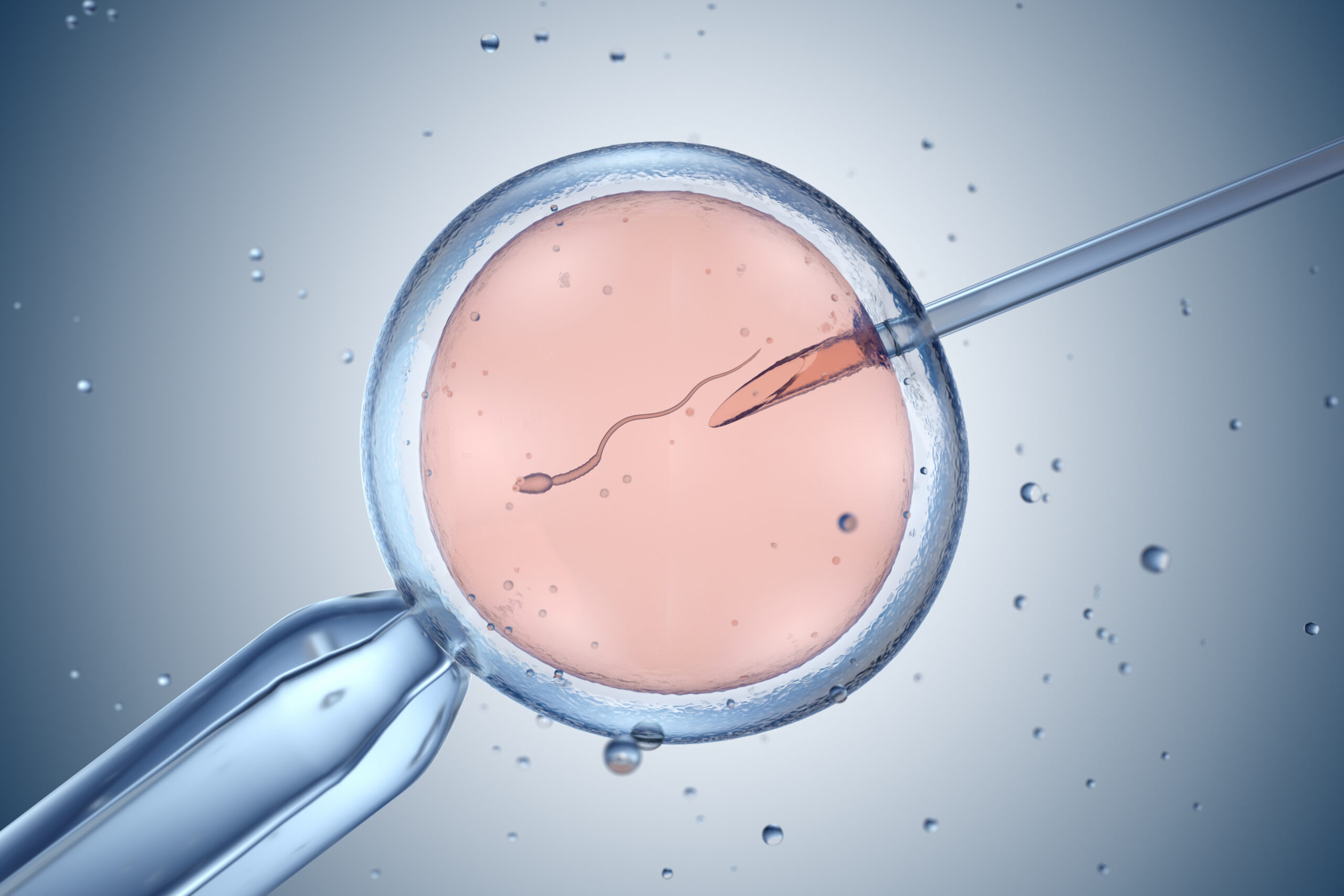
During IVF, eggs are fertilized with specially prepared sperm in a controlled lab environment. Some resulting embryos are frozen for future use. When you’re ready for transfer, your care team prepares your uterus with hormones such as estrogen and progesterone to help the lining reach optimal thickness and receptivity.
According to the American Society for Reproductive Medicine (ASRM), successful implantation depends on both embryo quality and the readiness of the uterine lining.* Proper timing, hormonal support, and transfer technique all contribute to giving your embryo the best possible chance to attach.
The science is intricate—but the intention is simple: to create the perfect moment for your embryo and your body to meet.
How to Prepare for Your Frozen Embryo Transfer
Everyone’s path is personal, but these supportive steps can help you feel more grounded as your transfer approaches:
- Stay on schedule with your medications
- Nourish yourself with balanced meals of whole foods
- Create small moments of calm with light yoga, meditation, or other supportive practices that help you feel at ease
- Avoid irritants that may disrupt comfort like scented soaps
- Bring comfort with you to your appointment like a favorite blanket or favorite pair of socks
After Your Frozen Embryo Transfer
Following your transfer, you may rest for a short time before going home. Most people resume light activity the same day, and your REI will advise if any additional precautions are recommended.
Pregnancy testing is typically scheduled 10–14 days after transfer using a blood test for hCG. While the waiting period can feel long—and full of emotion—we encourage you to wait for the official test rather than use an at-home pregnancy test. Early urine tests can be misleading and may add stress during an already tender time.
During these days, be gentle with yourself. Reach for support when you need it. Hold space for hope, and give yourself permission to rest emotionally as well as physically.
Frequently Asked Questions
How soon can pregnancy be detected after an FET?
Most clinics, including FSAC, schedule a blood test around 10–14 days after transfer. Testing before this window may lead to inaccurate results.
Do I need to rest after my transfer?
Research shows that extended bed rest does not improve pregnancy rates, so light activity is safe for most hopeful parents. Your FSAC fertility specialist will provide personalized guidance.
What does “perfect timing” really mean?
The uterus has a brief period called the “window of implantation,” when the lining becomes receptive to an embryo. Through monitoring your hormones, lining thickness, and cycle cues, your FSAC specialist aligns your transfer with this optimal phase.
Moving Forward Together
A frozen embryo transfer reflects science, compassion, and hope woven together. At Fertility & Surgical Associates of California, we honor each FET as a milestone—one that carries tremendous meaning for you and your future family.
With advanced laboratory techniques, precise timing, and a care team that truly listens, we’re here to support you through every moment of this chapter.
Schedule a consultation with FSAC today, and let’s take the next step forward—together.
*Source: ASRM